


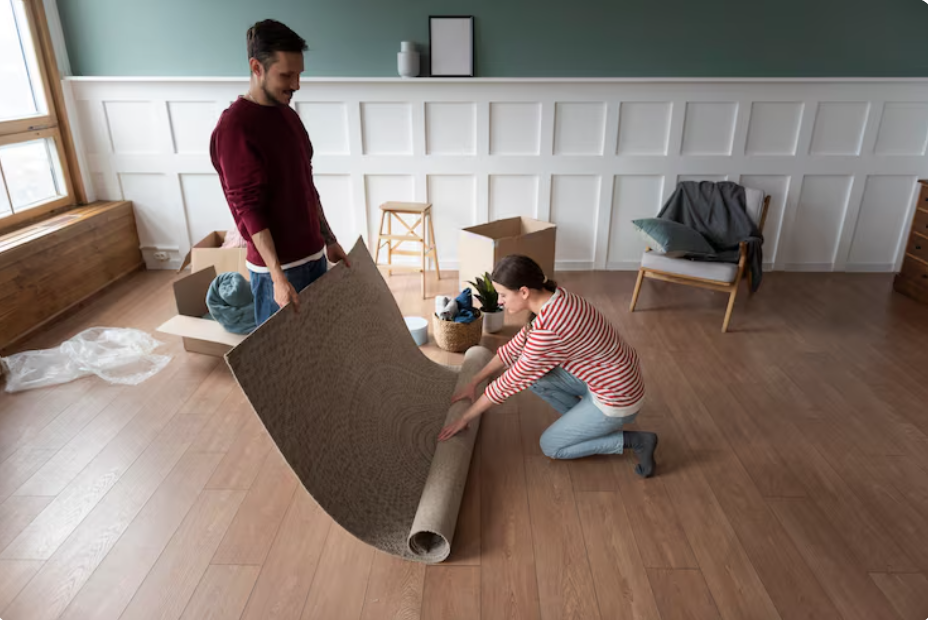
Installing new carpet can dramatically improve the comfort and appearance of a home, but the quality of the installation plays a major role in how well that carpet performs over time. While carpet may look simple once installed, the process behind it involves precise measurements, proper tools, and careful technique. When mistakes occur during installation, they often lead to visible problems, premature wear, and costly repairs.
Understanding the most common carpet installation mistakes helps homeowners appreciate why professional installation is so important and how experienced installers prevent these issues from happening.
Improper Carpet Stretching
One of the most frequent carpet installation mistakes is inadequate stretching. Carpet that is not stretched correctly can develop wrinkles, ripples, or loose areas over time. These issues are not only unsightly but can also create tripping hazards and accelerate wear.
Professional installers use power stretchers to apply consistent tension across the entire room. This ensures the carpet is secured tightly to tack strips and maintains its appearance even after years of foot traffic. DIY installations often rely on knee kickers alone, which rarely provide sufficient tension for long-term performance.
Poor Seam Placement and Bonding
Seams are unavoidable in many installations, especially in larger rooms or open layouts. When seams are placed incorrectly or bonded poorly, they can become visible, separate over time, or fray along the edges.
Experienced installers carefully plan seam locations to minimize visibility and avoid high-traffic areas whenever possible. They also use professional seam irons and adhesives to create strong, smooth bonds. Proper seam work helps the carpet look seamless and prevents future issues that are difficult to correct after installation.
Skipping Subfloor Preparation
The subfloor provides the foundation for carpet performance, yet it’s often overlooked. Installing carpet over uneven, damaged, or dirty subfloors can lead to premature wear, uneven surfaces, and noise issues such as squeaking.
Professional installers inspect the subfloor before installation, addressing issues like loose boards, moisture concerns, or uneven spots. Taking time to prepare the subfloor ensures padding and carpet sit properly, improving comfort and extending the lifespan of the flooring.
Using the Wrong Padding
Padding is just as important as the carpet itself. Using padding that is too thin, too soft, or incompatible with the carpet can shorten carpet life and reduce comfort. Incorrect padding may also void manufacturer warranties.
Professionals select padding based on carpet type, room usage, and traffic levels. For high-traffic areas, denser padding is often recommended to absorb impact and reduce stress on carpet fibers. Matching the right padding to the carpet ensures optimal performance and long-term durability.
Inconsistent Carpet Direction
Carpet has a natural nap or grain direction that affects how light reflects across its surface. When carpet sections are installed with inconsistent direction, shading differences become visible, making areas look mismatched even when the same carpet is used throughout.
This issue is especially noticeable in large rooms or connected spaces. Professional installers carefully align carpet direction across all sections to maintain a consistent appearance and cohesive look throughout the home.
Inadequate Securing on Stairs
Stairs present unique challenges for carpet installation. Improper fastening or loose carpet on stairs can lead to safety hazards and rapid wear along step edges.
Professional installers use specific techniques to wrap carpet securely around stair treads and risers, ensuring tight edges and consistent tension. This not only improves appearance but also enhances safety and longevity in one of the most heavily used areas of the home.
Poor Transitions Between Flooring Types
Transitions between carpet and other flooring materials such as hardwood, tile, or vinyl require careful attention. Poorly installed transitions can look unfinished, wear prematurely, or create tripping hazards.
Experienced installers plan transitions in advance, using appropriate transition strips and securing edges properly. Clean transitions help maintain the visual flow of the space while protecting carpet edges from damage.
Why Professional Installation Makes the Difference
Many carpet installation problems don’t appear immediately. Wrinkles, seam issues, and uneven wear often develop months after installation, making them costly and frustrating to fix. Professional installers prevent these issues by following proven methods, using proper tools, and understanding how carpet behaves over time.
For homeowners investing in Brownsburg carpet, professional installation ensures the flooring looks great from day one and continues to perform well under daily use. Quality installation protects both the carpet and the homeowner’s investment.
In addition, many carpet manufacturers require professional installation to maintain warranty coverage. This added protection offers peace of mind and safeguards against unexpected issues.
Long-Term Value of Proper Installation
While professional installation may involve a higher upfront cost than DIY approaches, it often saves money in the long run. Properly installed carpet lasts longer, maintains its appearance, and requires fewer repairs or replacements.
Homeowners benefit from improved comfort, reduced maintenance, and a finished look that enhances the overall value of the home.
Final Thoughts
Carpet installation is a detailed process where small mistakes can lead to big problems. From stretching and seam placement to padding selection and subfloor preparation, every step matters.
By choosing professional installation and understanding how common mistakes are prevented, homeowners can enjoy durable, comfortable carpet that enhances their living space for years to come. Quality installation isn’t just about appearance—it’s about performance, safety, and long-term satisfaction.