

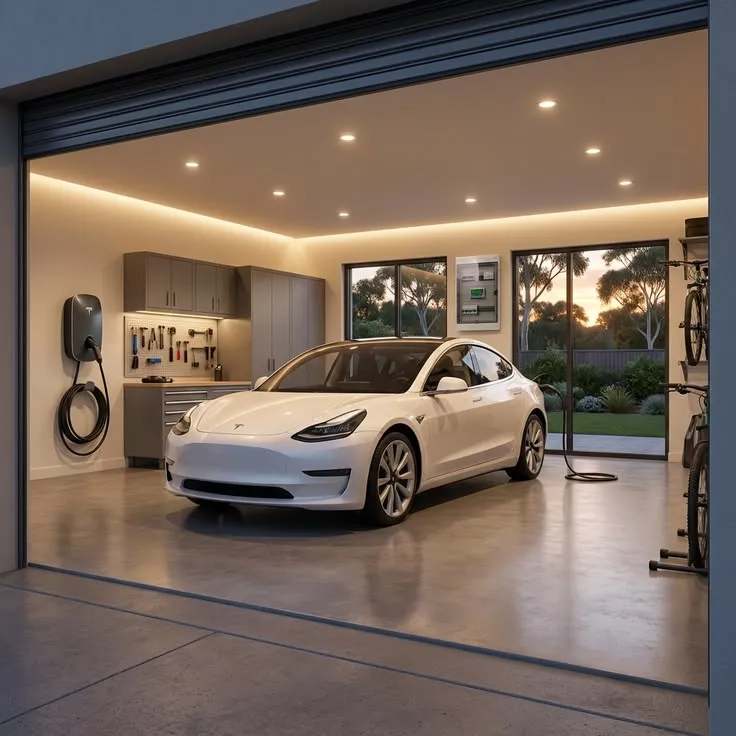

Electric vehicles are changing how some Australian households use their garages. Instead of simply parking overnight, owners may charge their cars at home, manage charging cables and occasionally access equipment mounted near the vehicle. These changes make garage layout an important consideration. Homeowners reviewing garage flooring options should think about where their charging equipment will sit and how people will move around the parked car. A suitable floor can contribute to a clean, practical environment, but electrical safety, access and long-term flexibility must be considered separately from decorative improvements.
Plan Around the Charging Location
The position of a home charger can influence how easily a garage functions. A cable that crosses a walkway may create inconvenience, while a poorly positioned unit could interfere with storage or vehicle doors.
Before choosing a final layout, consider where the vehicle’s charging port is located and whether another car might use the space later. A licensed electrician should assess the electrical installation, available capacity and relevant Australian safety requirements.
Keep Walking Routes Clear
Charging routines may involve moving between the vehicle, wall-mounted equipment and the household entrance. These movements should remain comfortable when the garage contains cabinets, bicycles or other belongings.
Measure the available clearance with the car parked in its normal position. Avoid placing storage units where they make charging connections difficult to reach. A clear layout also helps reduce the risk of cables becoming tangled around everyday equipment.
Consider Concrete Before Decorative Work
Garage slabs sometimes contain old paint, tyre marks, oil contamination or cracks that are not obvious beneath stored belongings. These conditions should be inspected before installing a new protective finish.
Professional garage floor coating systems generally require suitable concrete preparation. Grinding, cleaning and local repairs may be necessary to achieve reliable adhesion. A decorative coating cannot correct structural movement or an underlying moisture problem, so these concerns should be assessed independently.
Match the Surface to Vehicle Use
Electric vehicles still introduce ordinary garage flooring demands. Tyres carry grit and rainwater indoors, and heavy objects may occasionally be moved across the floor during household activities.
Epoxy and polyaspartic systems offer different performance characteristics depending on their formulation. Some protective topcoats provide useful ultraviolet stability where sunlight enters through an open garage door. Homeowners should compare product specifications instead of assuming every coating offers identical resistance to wear.
Think About Safety Near Charging Equipment
A garage floor finish should not be treated as an electrical safety device. The appropriate charger, wiring, circuit protection and installation location must be determined according to applicable electrical standards.
Consider these practical points during planning:
-
Keep charging cables away from regular walking routes.
-
Maintain clear access to electrical equipment.
-
Avoid storing incompatible chemicals near the charger.
-
Address recurring water entry or drainage problems.
-
Leave suitable clearance for future maintenance.
Electrical work should always be performed by appropriately licensed professionals, independently of any flooring renovation.
Choose a Practical Finish
A decorative flake floor can make the garage appear more complete, particularly when combined with organised wall storage and suitable lighting. Neutral colours often work well with a range of vehicle finishes.
However, appearance should not outweigh traction. Melbourne’s wet weather can leave water around parked vehicles, making an appropriate surface texture worth considering. A highly reflective finish may also create glare beneath strong lighting.
Coordinate Trades Before Installation
Electrical and flooring contractors may need access to the same walls and floor areas. Planning their work in the correct sequence can prevent newly finished surfaces from being damaged by later drilling or equipment installation.
Discuss the proposed charging location before the coating project begins. If electrical work requires modifications to the concrete or surrounding structures, complete those changes before final surface finishing wherever practical.
Allow for Installation and Curing
A garage coating project temporarily affects parking and storage access. Vehicles, shelving and movable equipment usually need to be cleared before preparation begins.
Ask the flooring installer how long the selected system requires before it can support vehicle traffic. Curing periods depend on the materials and environmental conditions. Arrange alternative parking rather than returning the car simply because the surface feels dry.
Plan for Future Changes
Households may replace vehicles, install additional charging equipment or change how the garage is used. A flexible layout can accommodate these possibilities without requiring immediate renovation.
Keep product specifications and installation records for future reference. Regular cleaning and periodic inspections can also help maintain the floor as household requirements develop. Avoid dragging heavy charging accessories or storage cabinets across decorative finishes.
Conclusion
Preparing a garage for electric vehicle ownership involves more than installing a charger. Clear access, practical storage, appropriate electrical work and suitable concrete finishing all contribute to an organised environment. Homeowners should coordinate contractors and assess existing surfaces before approving permanent changes. For Melbourne residents researching decorative garage coatings and concrete preparation, johnsonsflooring.com.au provides information about epoxy and polyaspartic flooring options. Thoughtful planning can create a garage that supports current charging routines while remaining adaptable to future vehicles and changing household needs.