
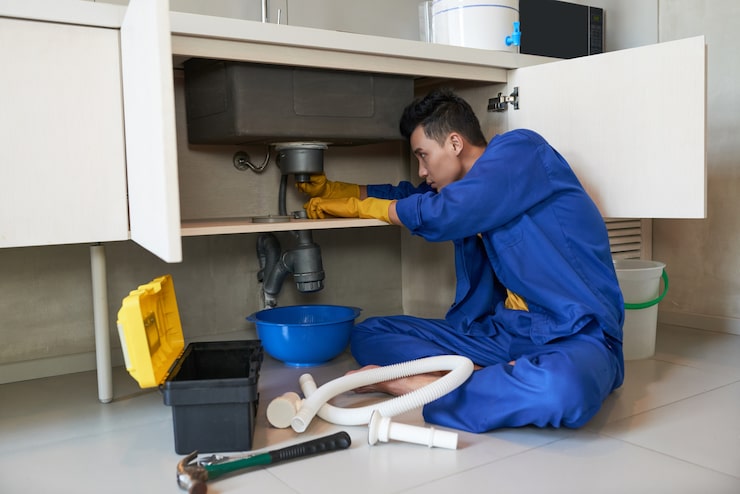
The West Valley represents a unique blend of Arizona history and modern desert living. From the meticulously planned, active-adult communities of Sun City to the rapidly expanding, family-centric neighborhoods of Peoria, homeowners in this region enjoy some of the best amenities the Phoenix metro area has to offer. However, whether your home was built in the late 1950s or the early 2020s, the West Valley’s environment presents specific challenges that can be devastating to a residential plumbing system.
Understanding these regional pressures—ranging from aging “Orangeburg” pipes to the extreme hard water of the Northwest Valley—is essential for any homeowner looking to protect their investment. To help you stay ahead of the curve, we’ve outlined the most critical factors for general plumbing in Arizona and how professional maintenance can save you from a catastrophic failure.
1. Sun City’s Aging Infrastructure: The Orangeburg and Cast Iron Crisis
Sun City is a landmark of American community design, but much of its original plumbing infrastructure is now more than 50 years old. In the earliest phases of Sun City’s development, builders used materials that have since reached—or far exceeded—their useful lifespan.
- Orangeburg Pipes: Used primarily from the house to the street in the 1960s, these “bituminous fiber” pipes are essentially tar-impregnated wood pulp. Over time, they become brittle, flatten under the weight of the soil, or are easily shredded by desert tree roots.
- Cast Iron Degradation: Under many Sun City slabs, original cast iron pipes are corroding from the inside out, leading to “channeling” where the bottom of the pipe completely disappears into the soil.
- The Solution: If you live in an older Sun City property, a professional sewer camera inspection is a non-negotiable part of home maintenance. Early detection allows for modern solutions like trenchless pipe relining, which can give you a 100-year pipe without digging up your pristine landscaping.
2. Peoria’s Modern Expansion and the Slab Leak Threat
While Sun City deals with age, Peoria’s newer developments face a different set of challenges. Much of Peoria sits on expansive desert clay that is highly reactive to the Arizona monsoon cycle. When it rains, the soil swells; during the summer drought, it shrinks.
This constant movement creates mechanical stress on the concrete slabs and the copper or PEX lines buried beneath them. In newer Peoria builds, “slab leaks” are a common frustration.
- Warning Signs: Watch for unexplained “hot spots” on the floor, the sound of water running when everything is off, or moisture along the baseboards.
- The Fix: Peoria homeowners should rely on specialized Ready Rooter AZ leak detection technology. Using acoustic sensors, experts can find a pinhole leak under your foundation with surgical precision, minimizing the need for invasive demolition.
3. The Northwest Valley’s “Hard Water” Reality
Peoria and Sun City are served by water with some of the highest mineral concentrations in the state. This “hard water” contains heavy amounts of calcium and magnesium that act as “cholesterol” for your plumbing.
- Scaling: These minerals create a rock-hard crust inside your pipes, narrowing the diameter and killing your water pressure.
- Water Heater Failure: In the West Valley, a standard water heater can lose years of life in just a few seasons as sediment settles at the bottom of the tank. This forces the unit to overheat, leading to noisy “rumbling” and eventual tank failure.
- The Solution: A high-quality water softener or whole-home filtration system is the best defense. It keeps your pipes clear and ensures your appliances—from your dishwasher to your high-efficiency washing machine—last as long as the manufacturer intended.
4. Root Intrusion and the Palo Verde Problem
West Valley residents take pride in their desert-lush yards, featuring Palo Verde, Mesquite, and Citrus trees. However, these trees are survivalists with aggressive root systems. In search of water, they will sniff out even the smallest hairline crack in your sewer line. Once roots enter the pipe, they expand rapidly, causing stubborn backups and eventually collapsing the line entirely. Regular hydro-jetting and camera checks are the only way to ensure your trees aren’t destroying your home’s waste lines.
Conclusion
Maintaining a home in the West Valley requires a specialized approach. Whether you are preserving a historic gem in Sun City or maintaining a modern estate in Peoria, the desert environment is relentless. By staying proactive with your plumbing maintenance and using local expertise, you can avoid the high costs of emergency repairs and enjoy the Arizona sunshine with total peace of mind.