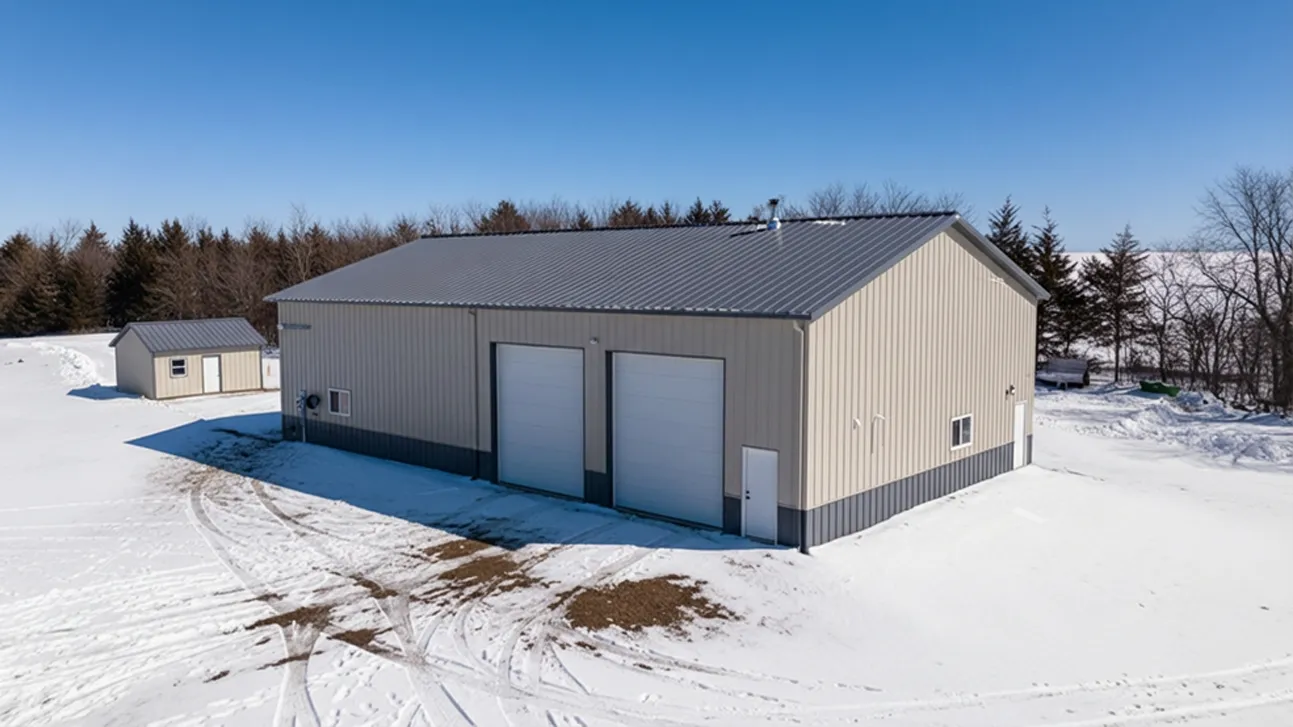
In the rapidly evolving world of defense, the need for agile, durable, and cost-effective infrastructure solutions is paramount. As modern threats become more dynamic, the infrastructure supporting military operations must evolve alongside to ensure optimal performance and readiness. This article explores how the Canadian military is leveraging modern techniques, primarily focusing on the use of prefabricated steel buildings, to enhance operational capabilities and infrastructure effectiveness.
The Importance of Modern Military Infrastructure
The Canadian Armed Forces operate in diverse and often extreme environments, necessitating infrastructure that not only supports current operations but also anticipates future demands. Traditional construction methods, while robust, fall short in terms of speed, adaptability, and cost efficiency. Modern infrastructure solutions, like prefabricated steel buildings, offer a stark improvement, providing facilities that can be quickly erected, dismantled, and relocated as needed.
Advantages of Prefabricated Steel Buildings
Prefabricated steel buildings are gaining traction across various sectors, including military infrastructure, due to their numerous benefits. These structures are notable for their durability, versatility, and cost-effectiveness, making them an excellent choice for military applications. Here, we delve into why prefabricated steel buildings are becoming the backbone of new military infrastructure projects.
Durability and Strength
Military installations require structures that can withstand harsh conditions and potential threats. Prefabricated steel buildings offer superior strength and resilience, ensuring they remain intact even under extreme weather and high-pressure situations. Steel’s innate durability significantly reduces maintenance costs and prolongs the lifespan of the infrastructure.
Efficiency in Construction
Time is often a critical factor in military operations. The prefabrication process allows for components to be manufactured off-site and assembled on location, minimizing on-site construction time and disruption. This efficiency ensures that facilities are ready for use far quicker than traditional construction methods, offering the military the agile infrastructure it requires.
Cost-Effectiveness
Budget efficiency is essential in military operations. Prefabricated steel buildings provide substantial cost savings not only during construction but also over the lifetime of the building. Reduced labor costs, fewer material wastes, and lower maintenance expenses all contribute to their financial viability. By employing prefabricated steel building erectors Canada, the Canadian military benefits from expertise and efficient project execution.
Adaptability to Diverse Needs
Military bases and installations require infrastructure that accommodates a variety of uses, from barracks and offices to storage and maintenance facilities. Prefabricated steel structures can be customized to suit these diverse needs, offering flexibility in design and space utilization. For instance, a 24x24x10 ft Steel Building Kit can be tailored to any specific requirement, providing a versatile, modular solution that grows with the base’s needs.
Sustainability and Environmental Impact
As the world moves towards more sustainable practices, the military is also adopting methods to reduce its carbon footprint. Prefabricated steel buildings are environmentally friendly thanks to their recyclability and energy efficiency. These structures can include insulation and renewable energy solutions, such as solar panels, further reducing environmental impact and operational costs.
Case Studies: Successful Implementations
Several divisions within the Canadian military have already begun incorporating prefabricated steel buildings into their infrastructure. For instance, a northern operations base utilized a series of these structures to quickly and effectively expand its facilities. The swift deployment allowed personnel to enhance logistical and operational capabilities significantly. Similarly, a training base integrated steel structures to adapt to increasing personnel numbers without the prohibitive cost and time associated with traditional building methods.
Looking to the Future
As the nature of global threats continues to evolve, the Canadian military is committed to remaining at the forefront of utilizing innovative infrastructure solutions. The adoption of modern building techniques is expected to continue, with prefabricated steel buildings playing a central role in new deployments and upgrades. Their ability to meet the stringent demands of military operations while providing flexibility, durability, and efficiency makes them indispensable.
Conclusion
The shift towards modernizing military infrastructure using prefabricated steel buildings marks a significant move in operational readiness and strategic flexibility. By choosing this path, the Canadian military can ensure its infrastructure is up to date, robust, and capable of meeting future demands with agility and precision. The involvement of experts like prefabricated steel building erectors Canada ensures that these projects are executed with the highest standards, benefiting both current and future generations of military personnel.
Final Thoughts
Incorporating advanced technologies and materials, such as steel, offers a sustainable and economically viable option for enhancing military infrastructure. The Canadian military stands out as a global leader in integrating these solutions, showcasing the significant role of prefabricated steel buildings in ensuring national security and operational excellence.