
You have invested time, money, and effort into creating a beautiful room. You have chosen the perfect paint color, the ideal furniture, and the most stunning accessories. The bones of the room are excellent. The layout works. The light is good. Yet, something is still not right. The room feels incomplete, like a sentence that trails off before the point is made. It is a frustrating experience, and it is surprisingly common.
The truth is, even the most beautifully designed rooms can fall flat if certain details are overlooked. These are the interior design mistakes that can make a beautiful room feel unfinished. They are often small and easy to fix, but they are also easy to ignore. They are the loose threads that unravel the entire tapestry. They are the reason a room can look like a furniture showroom instead of a home.
This article explores the most common interior design mistakes that make a room feel unfinished. We will look at everything from lighting and layout to hardware and HVAC details. We will explain why these mistakes matter and how to correct them. By the end, you will have a clear understanding of what to look for in your own home and how to elevate your space from almost there to truly complete.
Mistake 1: Ignoring the Fifth Wall
The ceiling is often called the fifth wall, but most homeowners treat it like an afterthought. They paint it white and never think about it again. This is a missed opportunity. A bare, neglected ceiling can make even the most beautifully decorated room feel unfinished.
Think about it. When you look up, what do you see? If it is a plain, flat white surface with a single, dated light fixture, you are missing an opportunity to add depth and interest. A beautiful room should engage the eye from every angle. The ceiling should be part of the design, not an empty void.
There are several ways to address this mistake. You can add crown molding to create a transition between the wall and the ceiling. You can paint the ceiling a subtle color, like a soft gray or a pale blue, to add warmth and dimension. You can install a statement light fixture or a ceiling medallion. You can even add beams or paneling for a more architectural look.
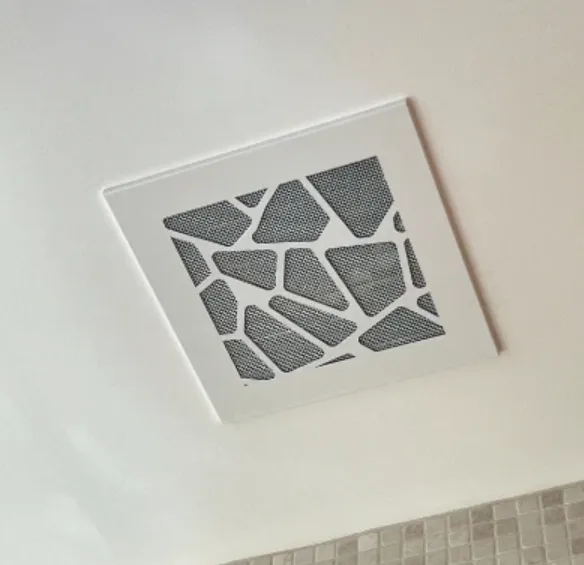
And do not forget the practical elements. A Ceiling Vent that is old, rusty, or dusty is a visual eyesore. It draws the eye upward for all the wrong reasons. Replacing it with a clean, modern cover is a small fix that makes a big difference. It shows that you have considered every detail, even the ones that are literally above your head.
Mistake 2: Poor Lighting Design
Lighting is the most important element in interior design, yet it is the one most often overlooked. A single overhead light fixture is not enough. It creates harsh shadows, flat illumination, and an unflattering atmosphere. A room with poor lighting will always feel unfinished, no matter how beautiful the furniture is.
The mistake here is relying on ambient lighting alone. You need to layer your lighting. This means combining ambient light (overhead), task light (for reading, cooking, or working), and accent light (for highlighting art or architectural features). You need table lamps, floor lamps, sconces, and under-cabinet lights. You need dimmer switches to control the intensity.
A room with layered lighting feels warm, inviting, and complete. It has depth and dimension. It allows you to change the mood of the room with the flip of a switch. If your room feels flat and uninviting, lighting is likely the culprit. Adding a few lamps and installing dimmers is a simple fix that will transform your space.
Mistake 3: Skipping the Window Treatments
Windows are the eyes of a room. They let in natural light and connect the indoors with the outdoors. But if you leave them bare, the room can feel exposed and unfinished. Window treatments are the finishing touch that frames the view and adds softness to the space.
The mistake is either skipping window treatments entirely or choosing the wrong ones. Cheap, ill-fitting curtains can ruin the look of a room. Curtains that are too short, too thin, or hung too low make the room feel smaller and less elegant. Heavy, dark curtains can make a room feel cave-like.
The solution is to choose window treatments that are appropriate for the space. Hang your curtains high and wide to make the windows look larger. Choose floor-length curtains for a more formal look. Use sheer layers to diffuse light and add privacy. Choose a fabric that complements your decor. Window treatments are an investment, but they are essential for a finished look.
Mistake 4: Mismatched or Outdated Hardware
Hardware is the jewelry of a home. It is the small, tactile details that you interact with every day. Doorknobs, cabinet pulls, drawer handles, and light switch plates all contribute to the overall look and feel of a room. If they are mismatched, outdated, or cheap-looking, they can make even the most beautiful room feel unfinished.
This is a common mistake because hardware is easy to overlook. You get used to the way things are. You do not notice the tarnished brass doorknob or the yellowed switch plate until someone points it out. But once you see it, you cannot unsee it. It is a detail that drags down the entire aesthetic.
The solution is to update your hardware consistently. Choose a finish and stick with it throughout the house. Replace old doorknobs with modern levers or knobs. Swap out cabinet pulls for a more contemporary style. Update your switch plates to screwless, clean-lined designs. This is an affordable upgrade that makes a huge difference in the perceived quality of your home. And do not forget the Vent Cover. A fresh, modern cover is part of the hardware story. It is a small detail that contributes to a cohesive, polished look.
Mistake 5: Clutter and Lack of Storage
This is the most common mistake of all. Clutter is the enemy of a beautiful room. It creates visual noise, makes a space feel chaotic, and distracts from the design elements you have worked so hard to create. Even the most expensive furniture cannot shine in a cluttered room.
The mistake is not just having too much stuff. It is also a lack of adequate storage. When you do not have a place for everything, things end up on counters, floors, and tables. The room feels messy and unfinished.
The solution is to declutter ruthlessly and invest in smart storage solutions. Go through each room and remove anything that does not serve a purpose or bring you joy. Organize your closets, cabinets, and drawers. Use baskets, bins, and boxes to corral small items. Create a place for everything. When your home is organized and clutter-free, it feels larger, calmer, and more inviting. It is the foundation of any design project.
Mistake 6: Inconsistent Color Palette
A beautiful room has a cohesive color palette. The colors work together to create a harmonious atmosphere. When colors are inconsistent or clash, the room feels disjointed and unfinished.
This mistake often happens when homeowners buy furniture and accessories piece by piece without a clear plan. They fall in love with a colorful rug, then buy a sofa in a different color, then add pillows in yet another color. The result is a chaotic mix that does not work.
The solution is to choose a color palette and stick to it. Start with a neutral base, like white, gray, or beige. Then add one or two accent colors. Use these colors consistently throughout the room, in your furniture, textiles, art, and accessories. This creates a sense of cohesion and intentionality. It makes the room feel finished and pulled together.
Mistake 7: Ignoring Scale and Proportion
Scale and proportion are the principles that govern how objects relate to each other and to the space around them. When these principles are ignored, a room can feel off. A tiny rug under a large sofa. A massive chandelier in a small room. A piece of art that is too small for the wall. These are all examples of scale and proportion mistakes.
The solution is to measure carefully and choose furniture and accessories that are appropriate for the size of your room. A rug should be large enough to fit under all the furniture in a seating area. A light fixture should be proportional to the table or room it is in. Art should be large enough to fill the wall space without overwhelming it. When scale and proportion are correct, the room feels balanced and harmonious. It feels finished.
Mistake 8: Not Adding Personal Touches
A room can be beautifully designed and still feel impersonal. This happens when the design is all about trends and nothing about the people who live there. A room without personal touches feels like a hotel room or a showroom. It lacks warmth and soul.
The solution is to add personal touches that tell your story. Display family photos, travel souvenirs, and art that you love. Use books, plants, and objects that reflect your interests. These touches make a room feel lived-in and loved. They add character and personality. They are the finishing touch that makes a house a home.
Mistake 9: Neglecting the Transition Spaces
We often focus on the main rooms, like the living room and kitchen, and neglect the transition spaces. Hallways, entryways, and stairwells are often bare and forgotten. But these spaces are just as important as the main rooms. They are the connective tissue of your home.
A bare hallway with no art, no lighting, and no decor feels unfinished. It feels like a passageway rather than a destination. The solution is to treat these spaces with the same care as your main rooms. Add art to your hallway walls. Install a statement light fixture. Place a console table with a vase of flowers. Use a runner rug to add color and warmth. These small touches make the transition spaces feel intentional and complete.
Mistake 10: Forgetting the Finishing Details
Finally, the most common mistake of all is forgetting the finishing details. These are the small, seemingly insignificant elements that, when left unaddressed, undermine the entire design. They are the loose ends that make a room feel unfinished.
What are these details? They are the dusty vent covers, the tangled cords, the crooked picture frames, the chipped paint on the baseboards. They are the things you stop seeing because you are used to them. But guests see them. They register on a subconscious level. They make the room feel less polished.
The solution is to do a final walkthrough of every room. Look at it with fresh eyes. What do you see? Are there cobwebs in the corners? Are the light bulbs all working? Are the pillows fluffed? Is the Vent Cover clean and modern? These small details matter. They are the difference between a room that looks good and a room that looks finished.
Conclusion: The Devil Is in the Details
A beautiful room is not just about the big pieces. It is about the small details that come together to create a cohesive whole. The mistakes we have discussed are all common, but they are also all fixable. By paying attention to the ceiling, the lighting, the hardware, and the clutter, you can elevate your space from almost there to truly complete.
So, take a moment to look around your home. Identify the mistakes. Fix them one by one. Replace the old vent cover. Layer your lighting. Declutter your surfaces. Add a personal touch. With a little effort and attention, you can transform your beautiful room into a finished one. The devil is in the details, but so is the beauty. Embrace the details, and your home will shine.