
Keeping food at the right temperature is one of the most important responsibilities in any commercial kitchen, grocery store, restaurant, or food service business. Even small temperature fluctuations can affect food quality, shorten shelf life, and increase the risk of spoilage. Businesses that rely on commercial refrigeration for food storage know that maintaining consistent cooling isn’t just about preserving products, it’s an essential part of daily operations that helps protect both customers and inventory.
Safe food storage goes beyond installing a reliable refrigeration system. Daily monitoring, proper organization, regular maintenance, and good handling practices all work together to keep refrigerated and frozen products at safe temperatures. Developing consistent habits can help reduce food waste, improve operational efficiency, and support compliance with food safety standards.
The Role of Temperature in Food Safety
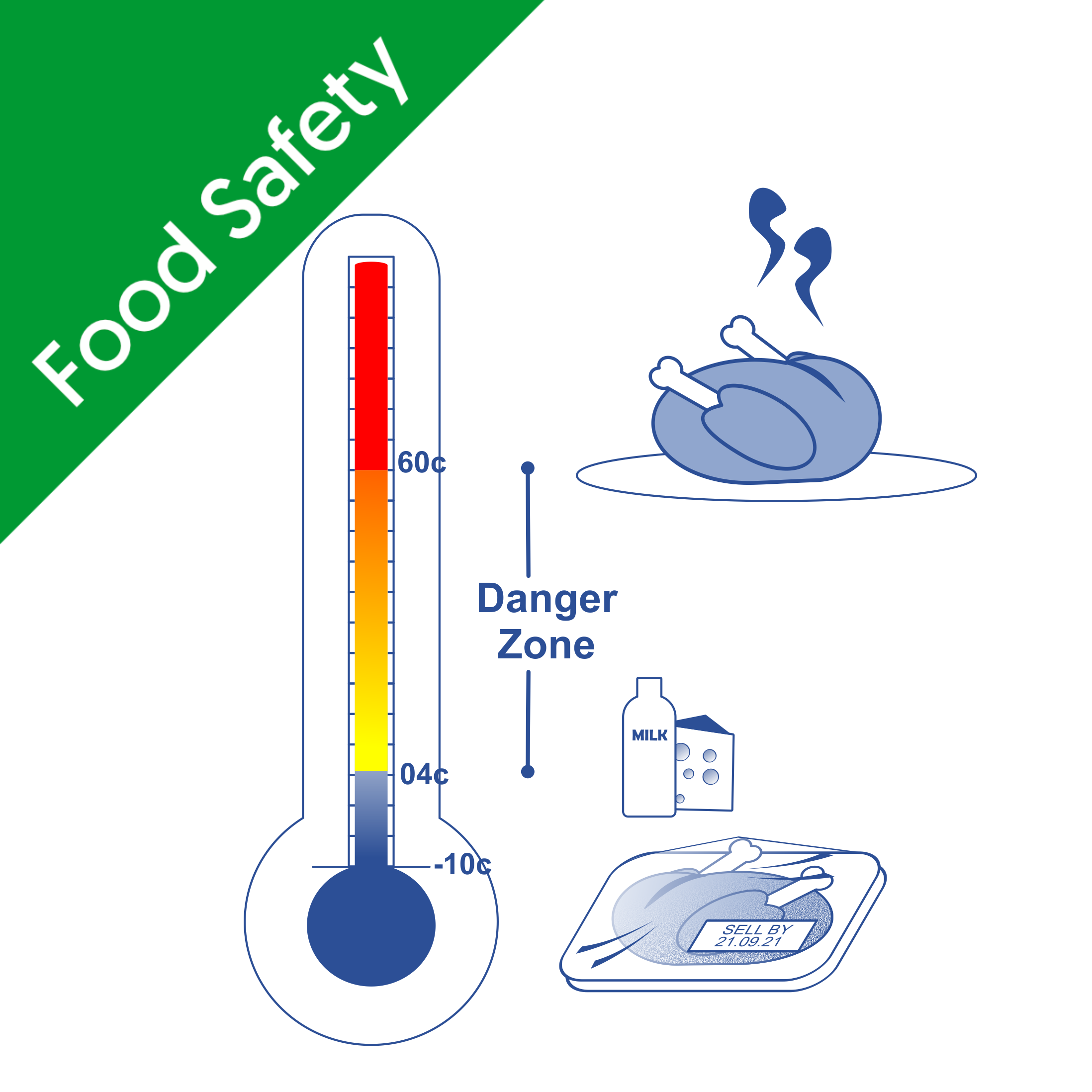
Temperature plays a direct role in food safety. Many perishable products, including dairy, meat, seafood, and prepared meals, must be stored within recommended temperature ranges to help slow bacterial growth and preserve freshness.
When refrigeration equipment struggles to maintain consistent temperatures, food may spoil faster than expected, leading to unnecessary waste and financial losses. Even short periods outside recommended storage temperatures can affect product quality, making continuous temperature control an important part of every food service operation.
Maintaining stable temperatures also helps businesses deliver consistent products to customers, protecting both their reputation and day-to-day operations.
Organize Refrigerators for Better Airflow
Proper organization inside refrigeration units is just as important as the equipment itself. Overloading shelves or blocking air vents can restrict airflow, making it harder for the system to maintain even temperatures throughout the cabinet.
Food should be stored with enough space between containers to allow cold air to circulate freely. Items should also be arranged according to their storage requirements, with raw ingredients separated from ready-to-eat foods to help reduce the risk of cross-contamination.
Regularly checking inventory and removing expired products also improves airflow while making it easier for staff to rotate stock efficiently.
Monitor Temperatures Throughout the Day
Consistent monitoring helps identify problems before they become serious. Refrigeration systems can occasionally experience performance issues due to heavy use, mechanical wear, or environmental conditions, making routine temperature checks an important part of food safety.
Digital thermometers, built-in monitoring systems, and temperature logs allow staff to verify that refrigeration equipment is operating within the appropriate range. Recording temperatures throughout the day also creates a useful history that may help identify recurring performance issues before they lead to equipment failure.
Quick action when temperatures begin to rise can prevent unnecessary product loss and reduce costly downtime.
Limit Temperature Fluctuations
Every time a refrigerator or freezer door is opened, warm air enters the cabinet. During busy periods, frequent door openings can temporarily increase internal temperatures and force refrigeration equipment to work harder.
Staff can help minimize temperature fluctuations by planning tasks before opening refrigeration units, retrieving multiple items at once, and ensuring doors close completely after each use.
Maintaining organized storage also reduces the amount of time employees spend searching for products, helping keep cold air inside the unit.
Keep Refrigeration Equipment Clean
Routine cleaning improves both food safety and refrigeration performance. Dust and debris that accumulate around condenser coils can reduce efficiency, while spills inside storage units may contribute to unpleasant odors and contamination risks.
Cleaning refrigerator interiors, door seals, shelving, and external components according to a regular schedule helps maintain sanitary conditions while supporting efficient system operation.
Inspecting door gaskets during cleaning is also worthwhile, as damaged seals can allow cold air to escape and increase energy consumption.
Essential Practices for Safe Food Storage
Maintaining safe storage temperatures requires consistent attention to both equipment and daily operations. Some of the most effective habits include:
● Check refrigerator and freezer temperatures regularly.
● Avoid overloading shelves or blocking air vents.
● Rotate inventory using the first-in, first-out (FIFO) method.
● Keep raw foods separated from ready-to-eat products.
● Clean refrigeration units on a routine schedule.
● Inspect door seals for signs of wear or damage.
● Schedule preventive maintenance before problems develop.
Following these practices helps refrigeration systems perform efficiently while supporting safe food handling procedures throughout the business.
Invest in Preventive Maintenance
Like any mechanical equipment, commercial refrigeration systems benefit from routine professional maintenance. Regular inspections allow technicians to identify worn components, refrigerant issues, airflow restrictions, or electrical concerns before they result in unexpected breakdowns.
Preventive maintenance also helps improve energy efficiency because properly serviced equipment generally operates with less strain. Businesses that schedule regular maintenance often experience fewer emergency repairs and greater long-term reliability.
Addressing small issues early is typically less disruptive and less expensive than dealing with complete refrigeration failures during busy operating hours.
Train Staff on Proper Food Storage Procedures
Even the most advanced refrigeration equipment depends on employees following proper storage practices. Staff should understand the importance of maintaining temperature consistency, organizing products correctly, and reporting equipment concerns immediately.
Providing regular food safety training helps reinforce good habits while ensuring everyone understands their role in protecting inventory and maintaining quality standards.
When every team member follows consistent procedures, businesses are better positioned to reduce waste, improve efficiency, and maintain customer confidence.
In Conclusion
Maintaining safe food storage temperatures requires more than dependable refrigeration equipment. Consistent monitoring, proper organization, routine cleaning, preventive maintenance, and well-trained staff all contribute to protecting food quality and supporting safe daily operations. Small improvements in storage practices can make a meaningful difference in reducing waste, preventing spoilage, and extending the life of valuable inventory.
By combining reliable commercial refrigeration with proactive maintenance and strong food handling procedures, businesses can create a safer, more efficient environment for storing perishable products. A consistent approach to temperature management not only supports food safety but also helps protect business operations, customer satisfaction, and long-term success.