
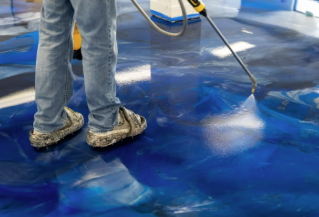
A warehouse floor takes a beating every single day. Forklifts rolling through, pallets dragging across the surface, chemicals spilling here and there without warning. Plain concrete cracks under that kind of pressure sooner than most owners expect. That is exactly where industrial epoxy flooring earns its keep, giving facilities a surface tough enough to handle constant traffic without falling apart at the seams. But there is a catch most people skip past: the floor underneath matters just as much as whatever coating sits on top of it.
Why Floors Wear Down Fast
Concrete looks solid, sure, but it is porous underneath that hard shell. Moisture creeps in slowly, temperature swings stress the surface, and heavy equipment adds pressure that concrete was never quite built to absorb alone. Over months, tiny cracks form. Nobody notices at first. Then one day there is a chip near the loading dock, and it spreads faster than anyone predicted, turning a small nuisance into a real structural headache for the whole operation.
The Hidden Cost of Waiting
Delaying floor maintenance rarely saves money, it just moves the bill further down the road with interest attached. A hairline crack today becomes a pothole tomorrow if moisture keeps working its way in underneath. Businesses that ignore early warning signs often end up paying triple for emergency fixes later, plus the lost productivity from shutting down sections of the warehouse mid-shift just to patch something that should have been handled months earlier.
Concrete Repair Comes First
Skipping this step is where most flooring projects go sideways fast. Proper concrete repair means filling cracks, levelling uneven patches, and making sure moisture problems get addressed before any coating touches the surface. Skimp here and even the best epoxy system will bubble, peel, or crack within a year or two. Contractors who rush this stage are setting up a floor to fail quietly, then loudly, right when a business can least afford it.
Choosing the Right Epoxy System
Not every epoxy blend suits every space, and that surprises a lot of first-time buyers. Industrial settings need thicker, chemical-resistant formulas built for forklifts and constant foot traffic, not the thinner coatings meant for a quiet garage corner. Some facilities need slip resistance for wet zones, others need extra hardness near heavy machinery stations. Matching the system to the actual daily wear pattern makes the difference between five years of use and fifteen.
Long Term Durability Pays Off
A properly installed floor stops being a maintenance worry for years, sometimes over a decade with minimal upkeep. Fewer cracks mean fewer safety hazards for workers moving heavy loads across the space. Cleaning gets easier too, since sealed surfaces resist stains and chemical spills instead of soaking them in permanently. That upfront investment in doing repairs right the first time keeps quietly paying dividends long after the installation crew has packed up and left.
Conclusion
Getting an industrial floor right is not complicated, but it does require patience and the correct order of operations. Repair first, coat second, never the other way around. Facility owners searching for lasting results should treat the prep work as seriously as the finish itself. risecoatings.com understands this balance and builds floors meant to survive real warehouse conditions, not just look good on installation day before the forklifts show up.