
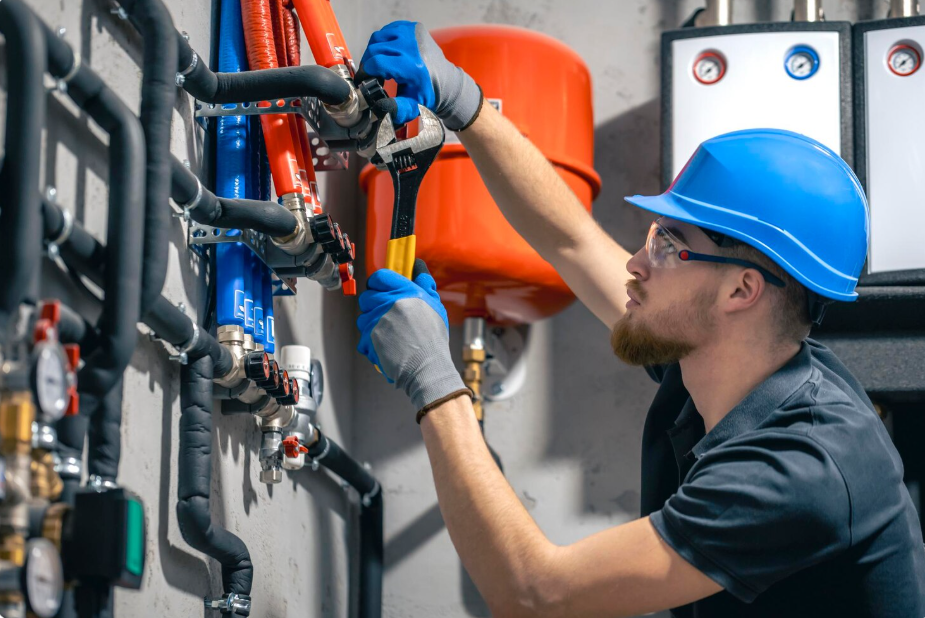
Getting a new water heater installed might not be the most exciting home project on your list, but it is one of the most impactful ones you can make for daily comfort and long-term energy savings. Whether your old unit finally gave out or you are replacing it proactively before it becomes a problem, the installation process matters just as much as the unit itself, and working with an experienced plumber makes the difference between a system that performs efficiently for years and one that causes headaches from the start. A properly handled water heater installation covers everything from selecting the right unit for your household to ensuring the final setup meets all local code requirements before the job is done.
The first thing a good installer will do is assess your household’s actual hot water demand rather than simply replacing the old unit with something similar. Family size, usage patterns, and the number of bathrooms and appliances drawing from the system all factor into choosing the right tank size or determining whether a tankless system makes more sense for your specific situation. Installing an undersized unit means running out of hot water during peak demand, while an oversized unit wastes energy heating water you will never use, so getting the sizing right from the beginning is one of the most important parts of the entire process.
The type of water heater also deserves careful consideration because the options available today are significantly more efficient than what most homes currently have. Traditional tank water heaters, tankless on-demand systems, and heat pump water heaters all have different upfront costs, operating costs, and installation requirements, and the best choice depends on your home’s fuel sources, available space, and how much hot water your household actually uses. According to ENERGY STAR’s heat pump water heater installation best practices guide, proper sizing; correct placement for adequate airflow; and attention to local code requirements, including seismic strapping in applicable areas, are all critical factors that a licensed installer needs to address correctly for the system to perform as designed.
Beyond the unit itself, a professional installation includes inspecting and updating the surrounding infrastructure as needed, which means checking supply line connections, verifying that the pressure relief valve is correctly installed and properly vented, confirming that the drain pan is properly positioned to protect your floor in the event of a leak, and testing the system thoroughly before the job is considered complete. These details matter because a water heater that is correctly installed from the start runs more efficiently, lasts longer, and creates far fewer problems over its lifespan than one that was rushed through or done without attention to code requirements.
The EPA’s WaterSense maintenance guidance also recommends annual professional servicing of your water heating system to maintain peak efficiency and catch any developing issues before they shorten the unit’s lifespan or drive up your energy costs. Pairing a quality installation with consistent annual maintenance is the combination that gets the most performance and the most years out of any water heater, regardless of which type you choose.